Which Glass Package Works Best for Hot Inland Summers
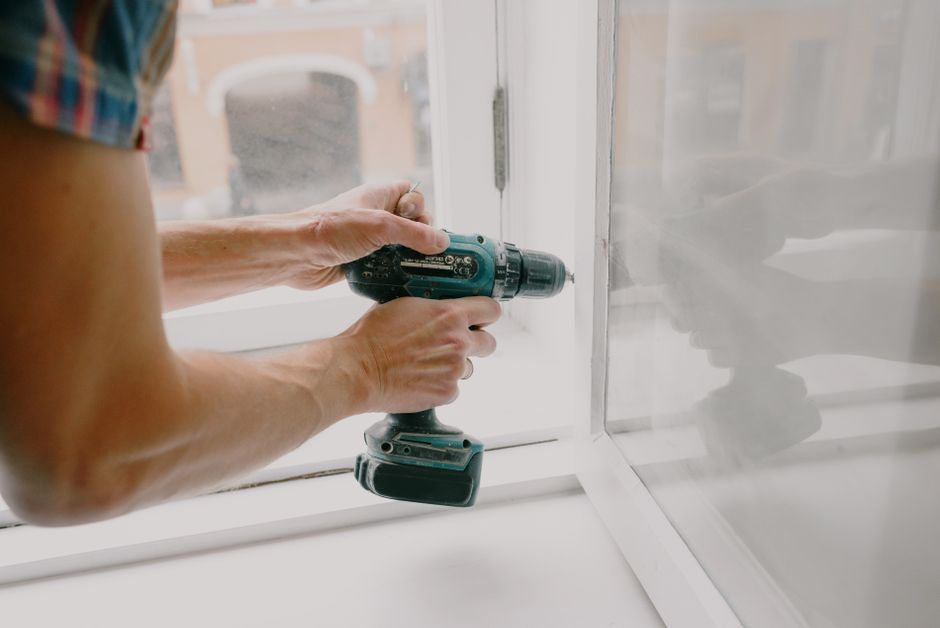
Hold a hand flat against the glass of a west window at four in the afternoon and note how much heat comes through. That is the load a replacement window in San Bernardino, CA has to handle, and three parts carry most of it: the coating, the gas fill, and the spacer. The breakdown sitting on vinyl windows san bernardino clothes made from scrap lists them in order, and the short version follows here.
What the coating does

A low-E coating is a microscopically thin metallic layer on the glass. It reflects much of the infrared heat and lets visible light through. In an insulated glass unit it sits on a glass surface facing the gap between the panes, where it is protected from cleaning and scratches. The coating is not the same thing as tinted glass, which is colored throughout and works differently.
Matching the coating to the climate
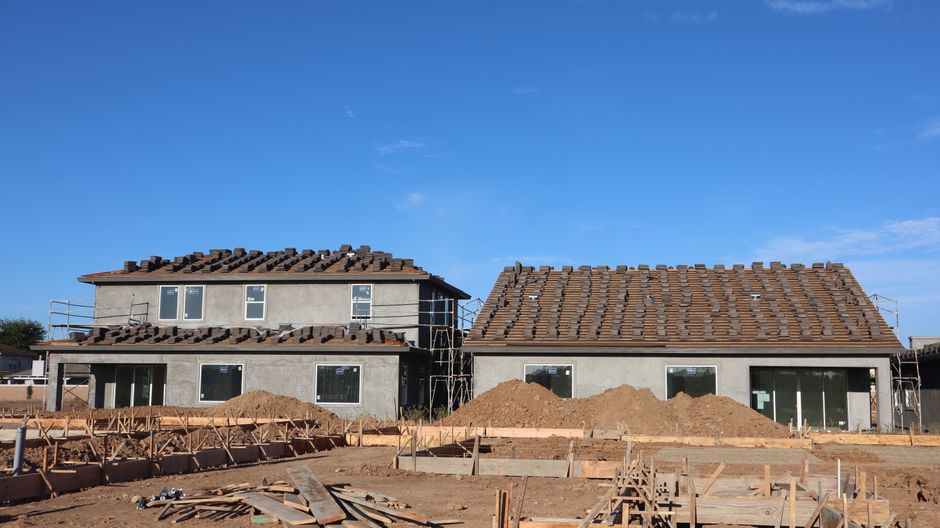
Coatings are made for different climates. Some favor blocking solar heat, which means a low SHGC. Others favor letting solar heat in, which suits cold regions that want free warmth in winter. Hot sunny areas such as Redlands, Loma Linda and the valley floor of San Bernardino County usually benefit from a low SHGC. A heat-admitting coating on a summer-baked wall works against the air conditioner.
Reading the NFRC label
Solar Heat Gain Coefficient is printed on the NFRC label as a number between 0 and 1. A lower number means less solar heat passes through. Right beside it sits Visible Transmittance, which shows how much daylight gets through. Strong coatings can slightly tint the glass or reduce visible light, so compare both numbers on a double pane unit before ordering a vinyl window. A very low SHGC with a poor Visible Transmittance can leave a room dim.
Argon and warm edge spacers
Argon gas is denser than air, so filling the space between the panes slows heat moving through the glass by conduction and convection. The spacer matters too. Warm edge spacers use less conductive material than solid aluminum, which reduces heat flow at the edge of the glass and lowers the chance of condensation there. Triple pane is not automatically required in a warm climate. A well-specified double pane unit with the right coating and a warm edge spacer does the main work.
Which openings come first
West and south facing windows get the most afternoon sun, so those openings matter most for heat gain. A large picture window or slider on a west wall is the first place to spend on a low SHGC coating. North and east openings can sit lower on the list. The same coatings also cut much of the ultraviolet light that fades floors, rugs and furniture, though they do not block all of it. A rug near a south slider will still fade, only more slowly.