Vinyl Window Earthquake Performance in San Bernardino

Vinyl windows hold up reasonably well when the ground shakes, but the frame is rarely the part that fails. The glass is. A vinyl frame flexes under the sideways racking of a wood-frame stucco wall, and the pane breaks only when the opening distorts enough to force a glass edge or corner against the frame. No window is earthquake proof, and none can be guaranteed not to break, so the useful question is which details make breakage less likely and less dangerous.
Why the Glass Breaks Before the Frame
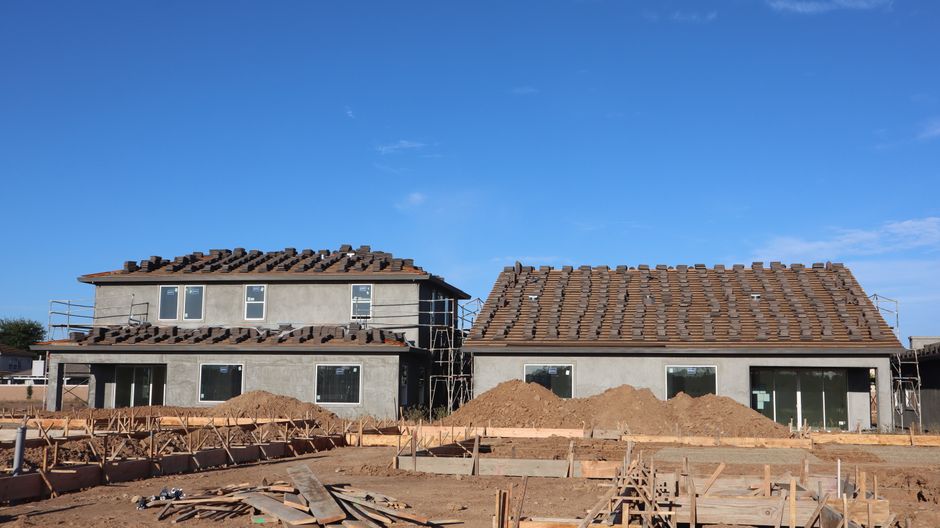
In strong shaking, a house wall does not stay rectangular. It racks, and every window opening in it becomes a slightly tilted parallelogram. Vinyl is forgiving here because it bends and springs back. Glass does not bend, so it takes the load at its corners.
That is why the way glass is set inside the frame matters more than the frame material. In a well-made unit, the pane rests on small setting blocks with a gap around its edges. Glass that floats a little can ride out distortion. Glass pinched tight against the frame has nowhere to go and tends to crack at a corner first.
When shopping or inspecting, ask the installer or manufacturer how the glass is set. Cheap or poorly glazed units with tight glass-to-frame contact are the ones most likely to crack.
Corners Tell You About Frame Quality

Look at the corners of a vinyl window. Fusion-welded corners hold the frame square under racking better than mechanically joined ones. A crack or open seam at a corner is a reason to repair or replace the unit, whether or not a quake ever happens.
How the Installation Changes the Outcome
A window can only tolerate as much distortion as its opening allows. A properly shimmed unit with a small perimeter gap absorbs some movement. A unit jammed tight into the opening takes all of it.
Keep the Perimeter Gap Flexible
The gap around a window should be filled with low-expansion window foam, or backer rod and flexible sealant. Rigid fill such as mortar or overpacked high-expansion foam turns the frame into a brace and passes wall movement straight to the glass.
Fasten as the Manufacturer Directs
Screws go through the frame at the shim points the manufacturer specifies. More screws or tighter screws do not make a window hold up better. Over-driven fasteners bow the vinyl jamb inward, which pre-stresses the glass and makes the sash bind before any quake arrives.
Retrofit Units in Existing Stucco
Many San Bernardino replacements are retrofit or flush-fin units set into existing stucco, which avoids tearing off the exterior. The result depends on the old opening being square and sound. Before replacement, check the sill for rot, termite damage or old water damage. A weak sill gives the new window nothing solid to bear on.
Weep Holes Stay Open
Vinyl windows drain through slots at the bottom of the frame. After installation or any repair, make sure sealant or debris has not blocked them. Never caulk over weep holes.
Choosing Glass Where People Walk and Sleep
Tempered glass is worth choosing for large panes near floors, beside doors, in patio doors and over bathtubs. It does break, but into small, blunter pieces. Laminated glass cracks yet stays held by its interlayer, which keeps shards in the frame and the opening closed. For keeping an opening intact after a break, laminated is the stronger choice.
Safety film helps a little, but only when it is anchored into the frame with an attachment system rather than applied to the visible glass alone. It can hold broken shards together; it does not stop glass from breaking. Taping an X on a window does not prevent breakage either.
Sliding Patio Doors Need Extra Attention
Strong shaking can bounce a heavy sliding panel off its track. Confirm the door has working anti-lift blocks or clips in the head track, and that the fixed panel is screwed down as designed.
Grit is the everyday problem. Santa Ana winds and the dust that pours through Cajon Pass pack sliding tracks, and a dirty track makes a sash stick. A sticking sash is harder to open in an emergency. Vacuum the tracks and check that the rollers turn freely.
Foothill Homes Face the Most Intense Shaking
The San Andreas Fault runs very close to the base of the San Bernardino Mountains. Homes in Verdemont and the neighborhoods near California State University, San Bernardino sit nearest it, and near-fault sites can expect stronger, more abrupt shaking. For these homes, laminated glass, careful installation and secured patio doors pay off most.
Heat Stresses Vinyl Long Before a Quake
Inland Empire summers add their own wear. Vinyl expands and contracts more than wood or aluminum, and hot days followed by cool nights cycle it constantly. Dark-colored vinyl in full western or southern sun runs hottest. Choose a frame color and grade rated for high heat, and leave the expansion allowance the manufacturer specifies. A frame that is already distorted by heat has less margin when the walls move.
The House Matters More Than the Window
Window features cannot make up for a house that moves on its foundation. In older raised-floor homes with cripple walls, a shift at the foundation racks every window opening at once. Foundation bolting and cripple wall bracing do more for window survival than any window feature. Replacing windows does not make the house itself more earthquake resistant.
Enlarging an opening also changes how the wall resists shaking. Turning a small window into a wide picture window or slider removes wall that may be doing bracing work. Before cutting a bigger opening, have a qualified engineer or experienced contractor evaluate the wall and the header.
Bedroom Windows Are an Exit
Test each bedroom window regularly and make sure it opens fully by hand. Do not block it with a dresser or bed. For security, use removable track stops on sliders rather than screwing them permanently shut.
Move beds and cribs away from big panes. Most home quake injuries come from falling objects and broken glass. Keep sturdy shoes and a flashlight by the bed, because floors near windows may be covered in glass after a strong event.
What to Check After a Noticeable Quake
Walk every window and look for:
- cracked glass, especially at corners
- sashes that now bind or will not lock
- sealant pulled away from stucco
- gaps between frame and wall
- cracked frame corners
A window that worked fine yesterday and binds today usually means the opening has shifted.
Fog Between the Panes
Shaking can break the edge seal of a dual-pane unit without cracking the glass. Moisture then gets in, and haze or condensation shows up between the panes in the following weeks. Usually only the glass unit or sash needs replacing, not the whole window.
Stucco Cracks at the Corners
Diagonal cracks running from window corners are common after shaking and are often from shrinkage alone. Hairline cracks are usually cosmetic but can let water in. Cracks that are wide, offset or growing deserve a professional look, because they can signal framing movement. Not every crack means structural damage, and a crack that looks minor is not proof the wall is fine.
Be Ready for a Broken Pane
Keep plastic sheeting and tape on hand. A broken pane in hot or windy weather needs a temporary cover until a glazier can replace the glass unit. Note your window brand and any label or etching on the glass now, so a replacement can be ordered quickly when it is needed.